
Blog
Goa LPG Cylinder Blast: What We Know So Far & Why India Must Strengthen Kitchen Safety
The Goa LPG cylinder blast on 07 December 2025 in Arpora has once again exposed the urgent gaps in LPG safety norms in India. The incident led to severe injuries, property damage, and trauma for families and workers.
LPG accidents in India continue to rise, especially in commercial kitchens. The Goa tragedy is a reminder that gas safety cannot be taken lightly.
What Caused the Goa Cylinder Blast?
(Early analysis + India-wide patterns)
While the official investigation is underway, most LPG explosions in India share common failure points:
✔ Undetected LPG leakage
Micro-leaks accumulate silently inside enclosed spaces.
✔ Outdated regulators and cheap connectors
Many commercial kitchens continue using non-ISI fittings, old tubes, and untested adaptors.
✔ No post-installation leak test
Cylinder changes are often done without verifying for leakage.
✔ Pressure imbalance
High-load kitchens experience sudden pressure surges that outdated equipment cannot handle.
✔ No auto cut-off safety device
Without automatic shut-off valves, leaks continue unnoticed until ignition.
Why Goa’s Hospitality Sector Is at Higher Risk
Goa has thousands of:
- Beach shacks
- Cafés
- Bars
- Hotels
- High-load commercial kitchens
These operations run long hours and handle large gas volumes, making modern LPG safety systems essential.
How to Prevent LPG Cylinder Blasts in Kitchens
(SEO: “How to prevent gas leak explosions”)
1. Mandatory leak testing
Every cylinder replacement must be followed by leak verification.
2. Use BIS/ISI-approved LPG fittings
No local regulators, rubber tubes, or non-standard connectors.
3. Install auto shut-off safety devices
This prevents up to 80% of severe leak incidents.
4. Train all kitchen staff
Basic LPG safety training reduces most human errors.
5. Periodic pressure audits
Pressure abnormalities must be monitored, especially in commercial kitchens.
Conclusion
The Goa LPG blast is a wake-up call for the entire HORECA sector and safety authorities. With the right preventive steps, India can drastically reduce LPG accidents and save countless lives.

About Us

Duis aute irure dolor in reprehenderit in voluptate velit esse cillum dolore eu fugiat nulla pariatur
Know MoreTop rated
-
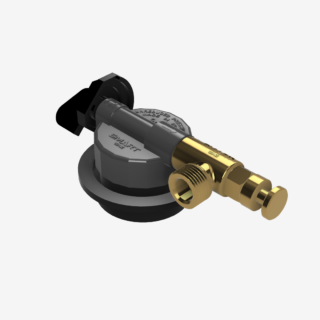 V-SAFE | Auto Cut-Off LPG Adaptor
Original price was: ₹2,499.00.₹2,299.00Current price is: ₹2,299.00.
V-SAFE | Auto Cut-Off LPG Adaptor
Original price was: ₹2,499.00.₹2,299.00Current price is: ₹2,299.00.
-
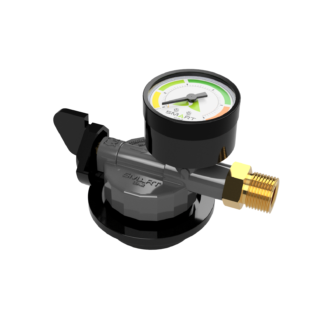 I-SAFE | Intelligent LPG Safety Adaptor
Original price was: ₹1,999.00.₹1,799.00Current price is: ₹1,799.00.
I-SAFE | Intelligent LPG Safety Adaptor
Original price was: ₹1,999.00.₹1,799.00Current price is: ₹1,799.00.
-
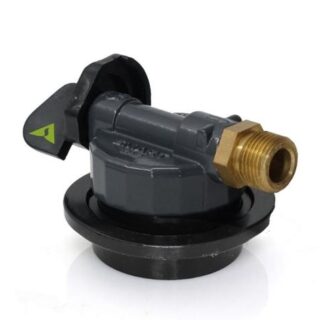 MLP – Multi Leak Proof LPG Adaptor/Regulator
Original price was: ₹999.00.₹679.00Current price is: ₹679.00.
MLP – Multi Leak Proof LPG Adaptor/Regulator
Original price was: ₹999.00.₹679.00Current price is: ₹679.00.
-
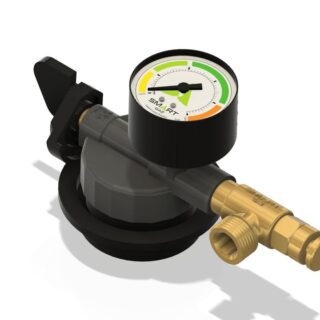 B-SAFE | High-Pressure LPG Safety Adaptor
Original price was: ₹2,999.00.₹2,799.00Current price is: ₹2,799.00.
B-SAFE | High-Pressure LPG Safety Adaptor
Original price was: ₹2,999.00.₹2,799.00Current price is: ₹2,799.00.
Products
-
B-SAFE | High-Pressure LPG Safety Adaptor
Original price was: ₹2,999.00.₹2,799.00Current price is: ₹2,799.00.
-
MLP – Multi Leak Proof LPG Adaptor/Regulator
Original price was: ₹999.00.₹679.00Current price is: ₹679.00.
-
I-SAFE | Intelligent LPG Safety Adaptor
Original price was: ₹1,999.00.₹1,799.00Current price is: ₹1,799.00.
-
V-SAFE | Auto Cut-Off LPG Adaptor
Original price was: ₹2,499.00.₹2,299.00Current price is: ₹2,299.00.